Lemon Cheesecake Layer Cake with Tangy Cream Cheese Frosting
By Lucas Morgan
Cook
24 min
Total
69 min
Servings
4
Level
Medium
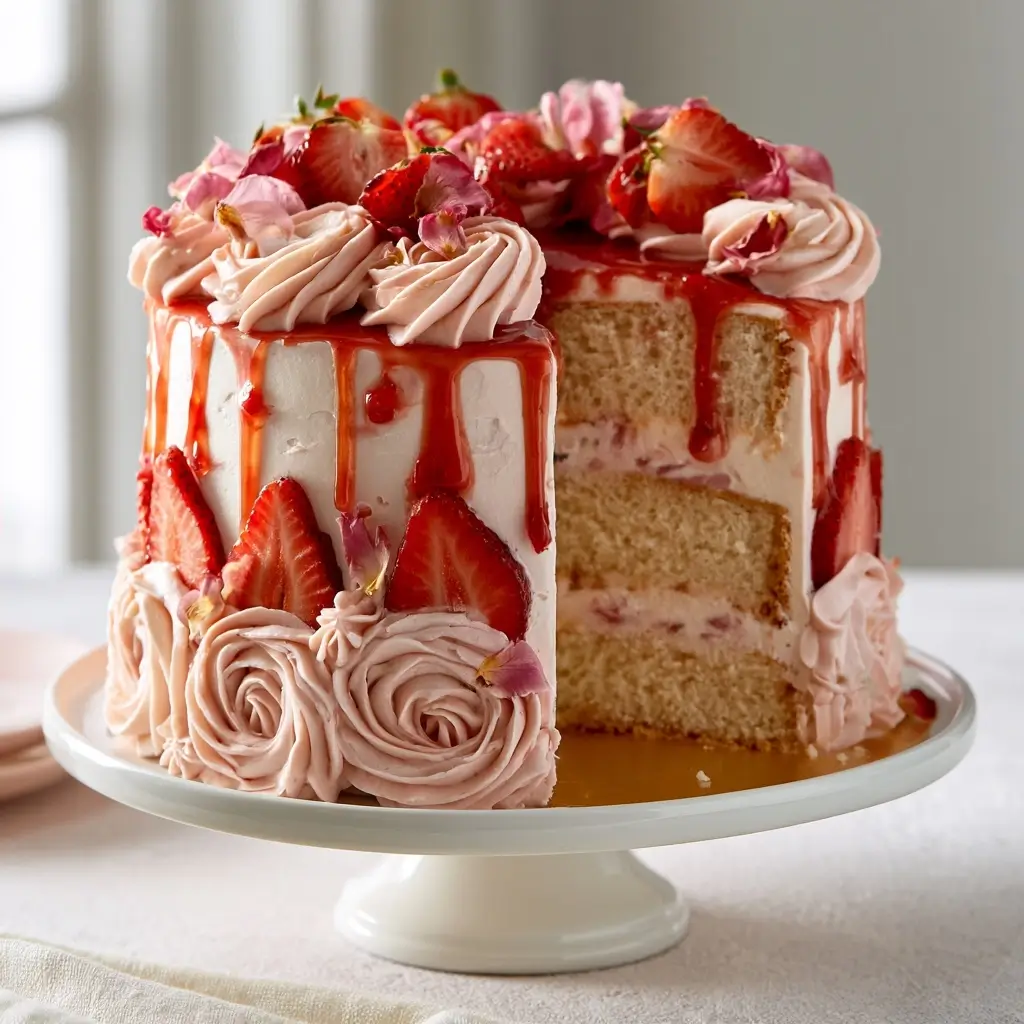
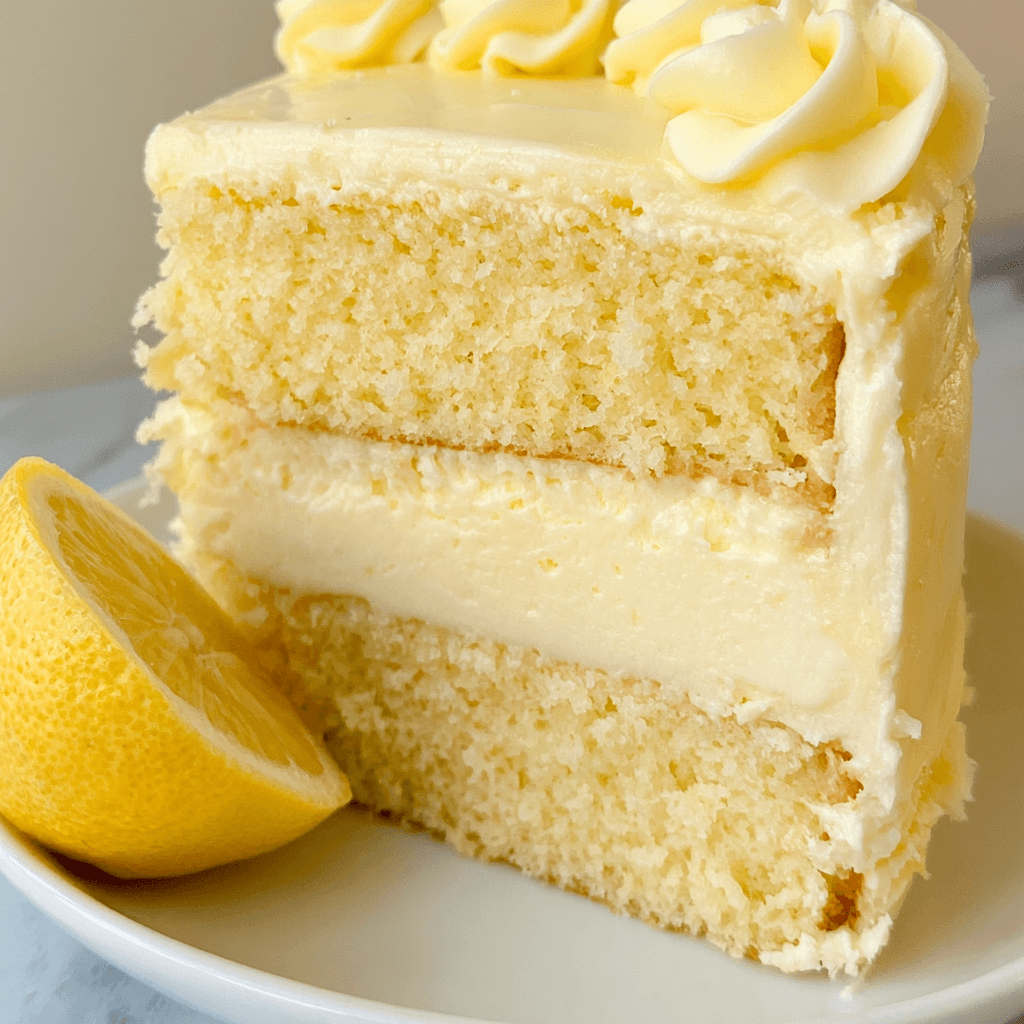
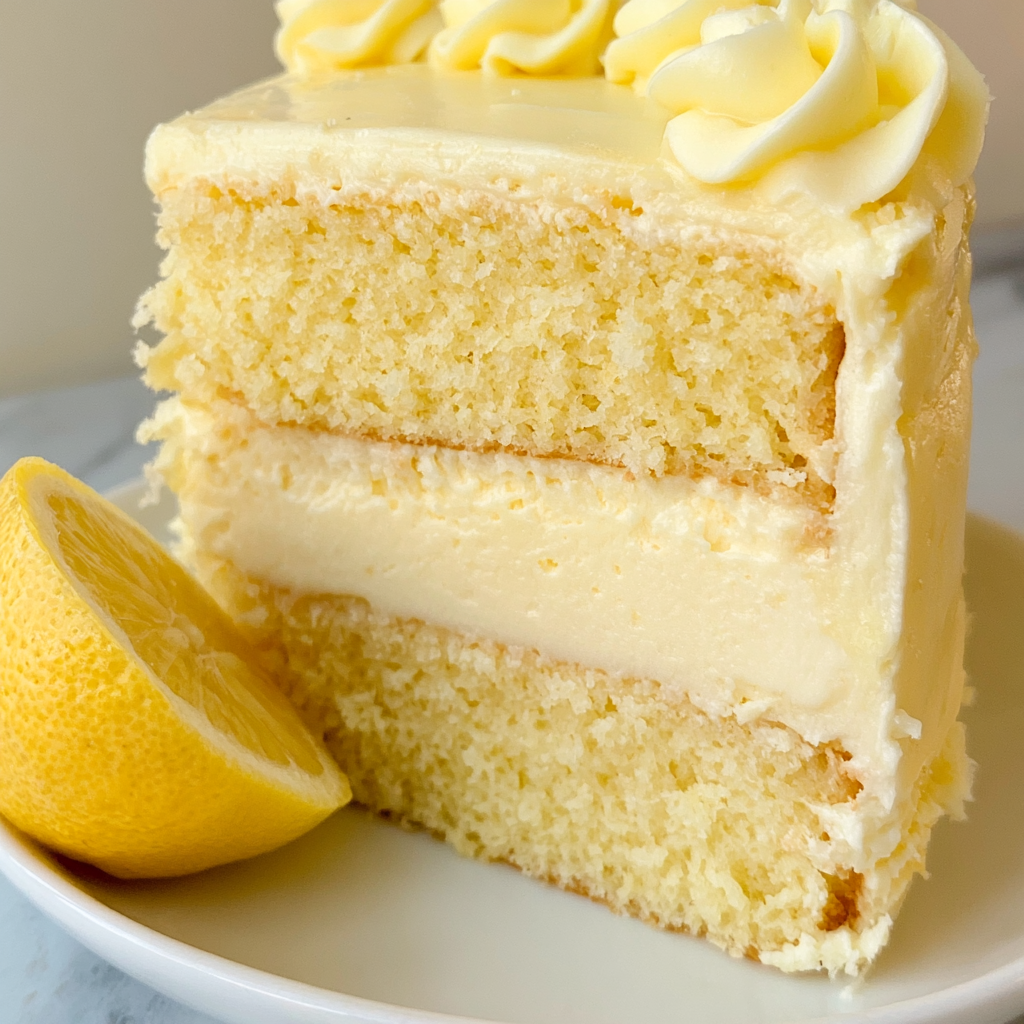
A slow oven cool-down allows the cheesecake to finish setting gently in the warmth‚ while a long chill transforms it into a firm layer that can be stacked neatly․ This Lemon Cheesecake Layer Cake uniquely combines a tender and delightful citrus cake․ It features a dense‚ creamy lemon cheesecake center along with a tangy cream cheese frosting atop․
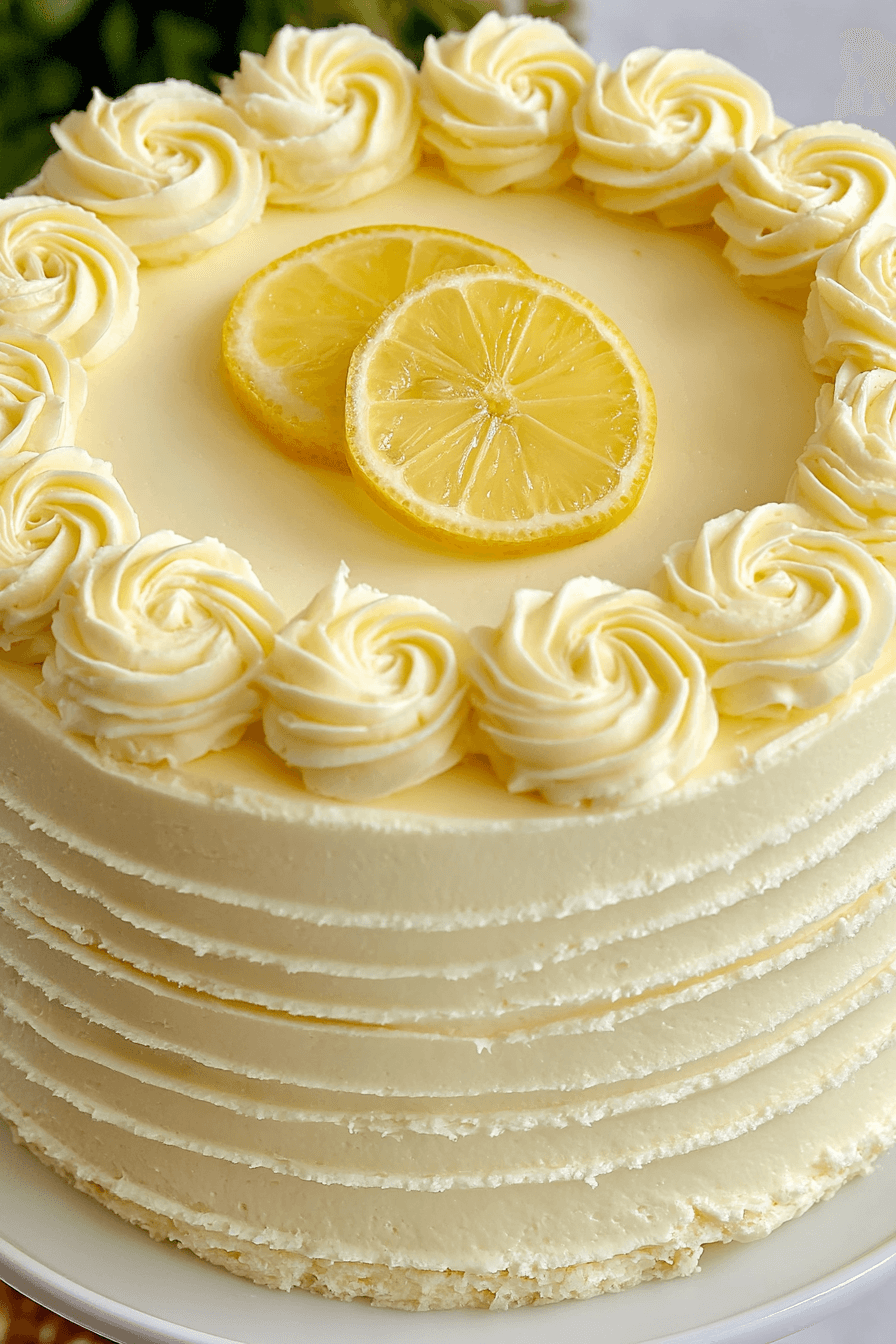
The cheesecake begins with ingredients such as full-fat cream cheese‚ sour cream‚ along with sugar․ Furthermore‚ it also includes flour‚ eggs‚ and lemon extract․ Cake flour‚ buttermilk‚ butter‚ oil‚ fresh lemon juice‚ zest‚ and leavening help create the lightness of the two cake layers․ These ingredients make for the layers soft․ Lemon extract effectively carries the citrus flavor throughout every component‚ whereas confectioners’ sugar provides the cream cheese frosting with sufficient body for both spreading and piping․
During the process of cheesecake baking‚ the exterior should appear set while the center maintains a slight jiggle․ Mixing the eggs only until they are incorporated into the mixture matters because excess air can considerably affect the finished texture․ The most common assembly issue is relocating the cheesecake before it is thoroughly chilled; keep it cold until stacking‚ thus it remains firm enough to release from‚ transfer‚ as well as trim neatly․
Serve pieces with fresh berries․ Accompany them with fresh fruit‚ coffee‚ or subtly flavored tea․ Ensure that the finished cake is kept covered in the refrigerator․ This ensures that the exposed cake stays away from drying out․ Individual slices may be placed carefully in the freezer‚ and then they can be thawed overnight in the refrigerator prior to serving․
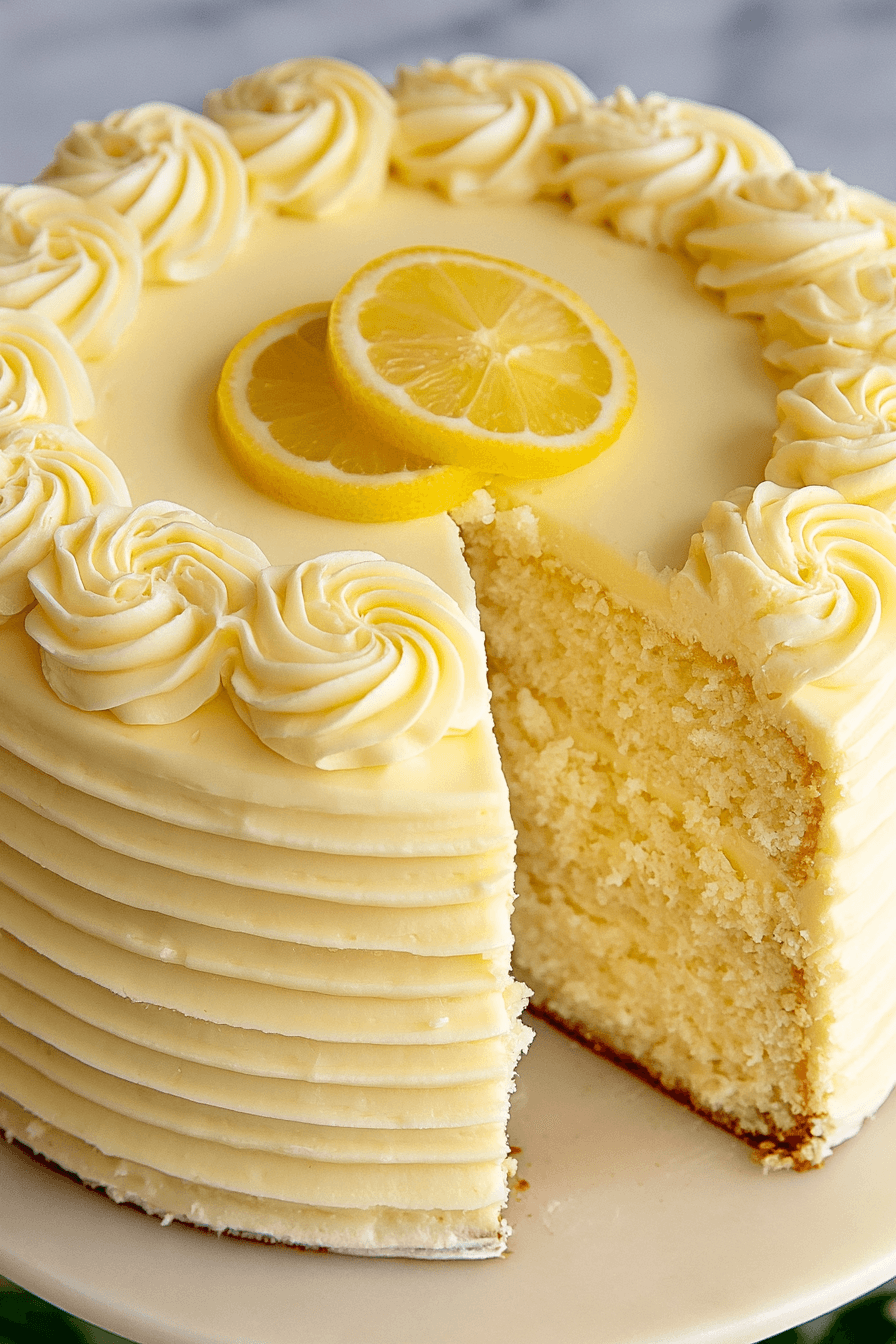
Why you'll love this recipe
- Gradual cooling in the switched-off oven aids the cheesecake in settling gently‚ giving the center a more stable texture before it is chilled in preparation for stacking․
- A thoroughly chilled cheesecake behaves like a distinct layer since refrigeration firms the center‚ allowing someone to release‚ move‚ and trim neatly․
- Cake flour along with buttermilk provide support for soft‚ tender lemon layers․ Meanwhile‚ vegetable oil keeps the cake moist after the baked layers cool․
- Fresh lemon juice together with finely grated zest add citrus character without depending solely on extract‚ which helps to keep the cake layers bright together with aromatic․
- Slightly softened butter and barely softened cream cheese produce a spreadable frosting that maintains neat sides with piped details․
- The elements may be assembled in phases․
- This occurs because the cheesecake greatly benefits from chilling‚ as this process makes assembly considerably more manageable for celebrations‚ together with planned serving․
Ingredients
- •¾ cup full-fat sour cream
- •1 teaspoon lemon extract
- •3 large eggs (brought to room temperature, approximately 70°F)
- •3 tablespoons all-purpose flour
- •16 ounces full-fat cream cheese (slightly softened)
- •¼ teaspoon salt
- •1 cup white granulated sugar
- •¼ cup freshly squeezed lemon juice
- •3 cups cake flour
- •2 lemons (finely grated zest)
- •1 ¼ cups buttermilk
- •3 large eggs
- •½ teaspoon baking soda
- •1 tablespoon lemon extract
- •1 ½ sticks unsalted butter (12 tablespoons, softened)
- •2 teaspoons baking powder
- •¼ cup vegetable oil
- •½ teaspoon salt
- •2 cups granulated sugar
- •1 teaspoon lemon extract
- •6 cups confectioners’ sugar (6 to 6 1/2 cups)
- •2 sticks unsalted butter (only slightly softened to approximately 65°F)
- •yellow gel food coloring (optional)
- •16 ounces full-fat cream cheese (barely softened)
- •1 lemon (finely grated zest, approximately 1 1/2 teaspoons, optional)
Instructions
- 1
Place a pan containing approximately 1 inch of water on a lower oven rack, then preheat the oven to 300°F.
- 2
Line the bottom of a 9-inch springform pan with a parchment-paper circle.
- 3
Beat the slightly softened cream cheese until completely smooth.
- 4
Add the granulated sugar, salt, and all-purpose flour, then mix on low speed until evenly incorporated.
- 5
Blend in the sour cream and lemon extract until uniform.
- 6
Add the room-temperature eggs one at a time, mixing after each addition until incorporated.
- 7
Transfer the cheesecake batter to the parchment-lined springform pan.
- 8
Bake the springform pan on the rack directly above the pan of water for 45 minutes, until the edges are set and the center still has a slight jiggle.
- 9
Turn off the oven and leave the cheesecake inside for 30 minutes with the door slightly open.
- 10
Cool the cheesecake on the countertop, then cover and freeze for 2 to 3 hours or refrigerate for at least 5 to 6 hours.
- 11
Preheat the oven to 350°F and grease and flour two 9 × 2-inch round cake pans.
- 12
Whisk together the cake flour, baking powder, baking soda, salt, and lemon zest.
- 13
Combine the buttermilk, vegetable oil, fresh lemon juice, and lemon extract in another bowl.
- 14
Beat the softened butter until creamy, gradually add the sugar, and continue mixing until pale and fluffy.
- 15
Beat the eggs into the butter mixture one at a time.
- 16
Alternate the flour mixture with the buttermilk mixture, beginning and ending with the dry ingredients.
- 17
Divide the batter between the prepared pans and bake for 20 to 24 minutes.
- 18
Cool the cake layers in their pans for 10 minutes, then transfer them to racks to cool completely.
- 19
Beat the slightly softened butter for the frosting until smooth.
- 20
Add the barely softened cream cheese in small pieces and mix until creamy.
- 21
Blend in the lemon extract and optional lemon zest, then gradually add enough confectioners’ sugar to make a fluffy, spreadable frosting.
- 22
Add a very small amount of yellow gel food coloring, if desired.
- 23
Place one completely cooled cake layer on a serving plate and cover it with a thin layer of frosting.
- 24
Release the thoroughly chilled cheesecake from its pan and place it over the cake layer, trimming carefully if necessary.
- 25
Add another light coating of frosting, position the second cake layer on top, frost the entire cake, and finish with piping or simple spatula decorations.
FAQ
Reviews
Pin this recipe
Tap an image to save it to Pinterest.