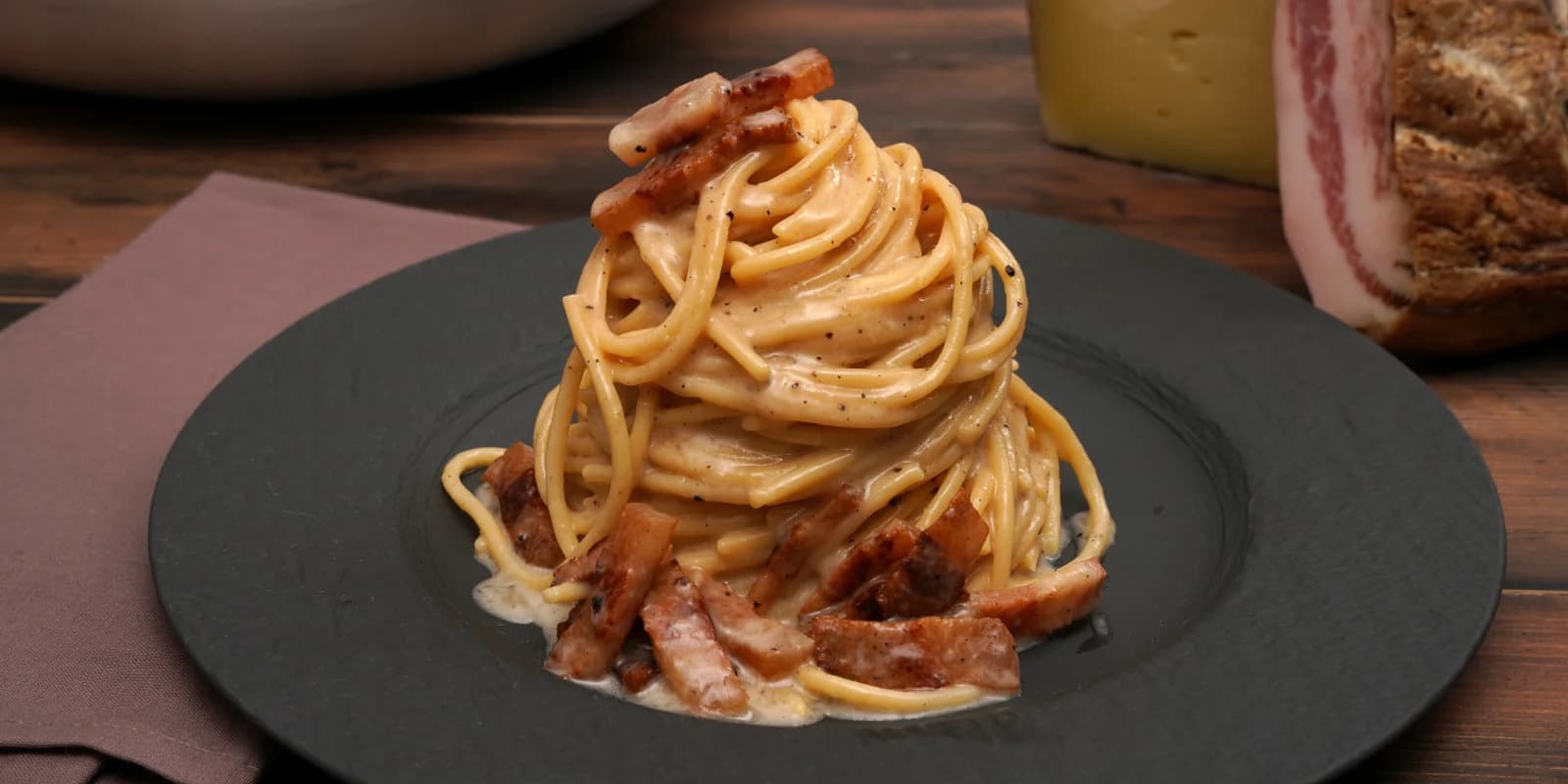
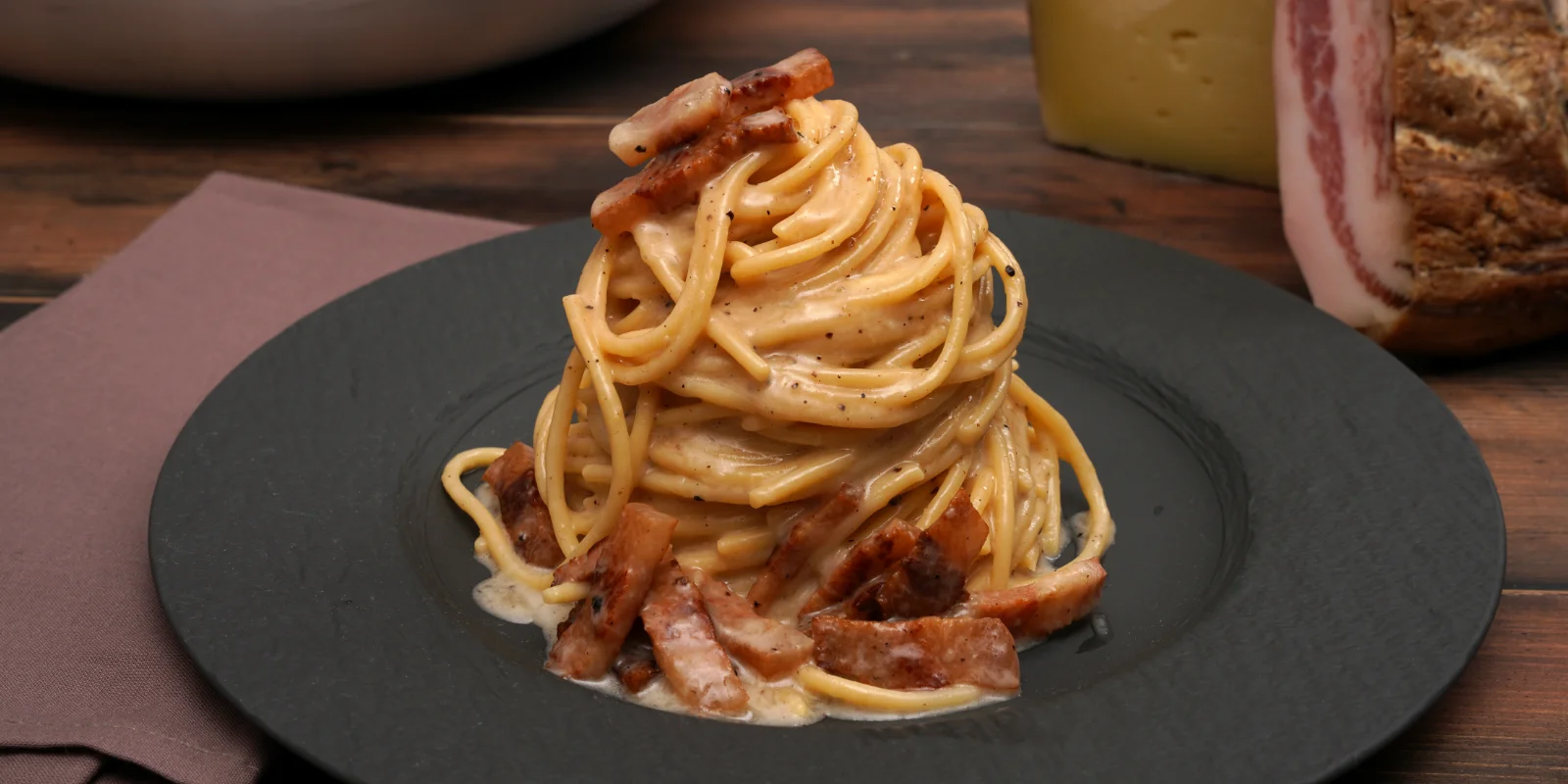
Authentic Pasta alla Gricia with Creamy Pecorino and Crisp Guanciale
By Lucas Morgan
Prep
15 min
Cook
10 min
Total
25 min
Servings
4
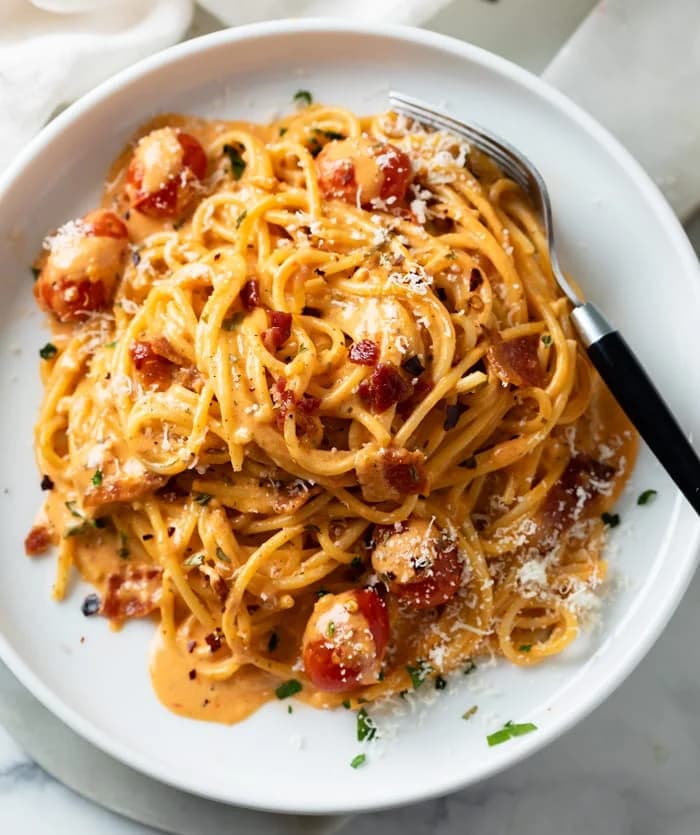
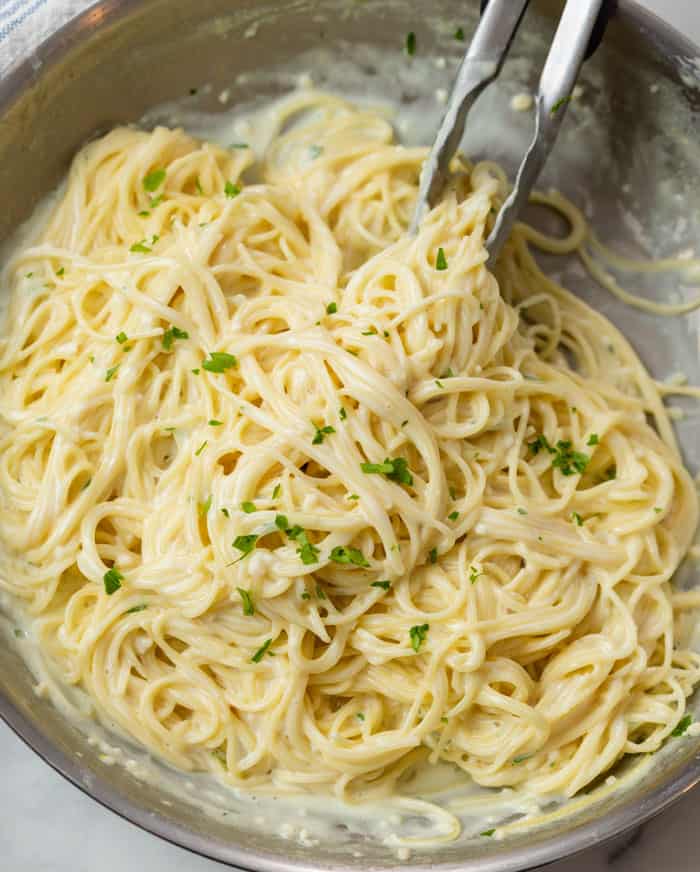
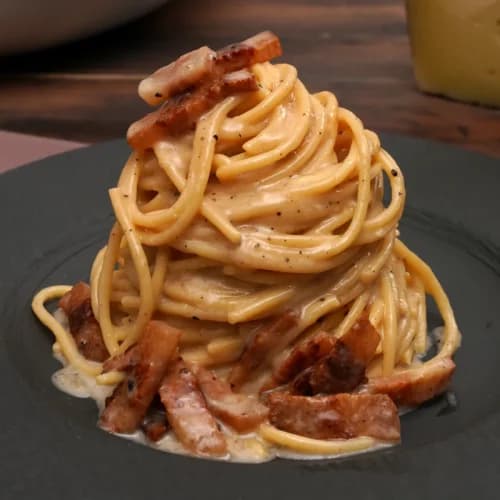
Rendered guanciale fat and pasta starch coat pasta cooked in a skillet instead of going to waste․ Pasta alla Gricia is a type of Roman pasta prepared with spaghetti and topped with pecorino romano cheese‚ black pepper‚ and fried guanciale․
The dish includes toasting medium-coarse black pepper in an empty pan for a short time and removing it from the pan before adding guanciale to the same pan․ White wine is added to the pan juices‚ and hot pasta water and spaghetti or tonnarelli are added to the pan to cook․ These steps help the spaghetti or tonnarelli absorb flavors from the pork and wine as well as the cheese to be added later․ Hot‚ starchy pasta helps the cheese stick․
Watch the guanciale until it becomes translucent as it cooks․ It should be crispy at the edges but not mushy․ There should be enough liquid in the pan from the pasta to keep it cooking and moving freely in the pan for the recommended al dente cooking time on the pasta package․ Potential errors include adding shredded‚ heated pecorino cheese on top of cooked pasta‚ which can form clumps instead of forming a smooth paste․
Serve Pasta alla Gricia immediately after mixing to leave some cheese sauce on the pasta․ There are no serving or storage recommendations for Pasta alla Gricia in the original recipe‚ and it is suggested as a fresh pasta dish‚ not one to be stored‚ for serving․ Prepare tableware in advance to minimize the time Pasta alla Gricia is on the table before being served․
Why you'll love this recipe
- Slow cooking causes the fat in the guanciale to become translucent before crisping at the edges․ This helps some pieces of guanciale stay chewy-crisp and enhances flavor as the dish cooks․
- Toast medium- and coarse-grained pepper for a brief period at a low temperature to improve its flavor and reduce bitterness in the finished seasoning․
- Half-cooked spaghetti continues to cook in the skillet with guanciale․ Pasta water and wine and rendered fat stick to the spaghetti․
- Deglazing the pan with white wine allows you to incorporate the browned guanciale residue into the pasta for additional flavor instead of leaving it in the pan․
- Adding hot water to grated pecorino cheese gradually produces a sauce that will stick to pasta in a more even manner than grated pecorino cheese added to cooked pasta․
- Taking the skillet off the heat before adding cheese prevents the pecorino from coagulating and gives you mantecatura‚ a creamy layer․
Ingredients
- •1 tbsp black pepper (preferably freshly ground, medium coarse)
- •6 oz pecorino romano cheese (semi-aged)
- •6 oz guanciale (or pancetta)
- •½ cup white wine
- •11 oz spaghetti (or tonnarelli)
Instructions
- 1
Briefly toast the black pepper in a dry pan over low heat, just until fragrant, for no longer than 1 minute.
- 2
Transfer the toasted pepper to another container and set aside.
- 3
Cut the guanciale into thick slices, then cut the slices into 1/2-inch strips.
- 4
Fry the guanciale in a dry pan over medium-low heat until the fat turns translucent.
- 5
Raise the heat slightly to crisp the outside of the guanciale pieces.
- 6
Add the pasta to boiling water and cook it for 3/4 of the package-recommended al dente cooking time.
- 7
Add the white wine to the guanciale pan to deglaze it.
- 8
Drain the partially cooked pasta and add it to the skillet with the guanciale, along with a few ladles of hot pasta water. Reserve the remaining pasta water.
- 9
Add the toasted black pepper to the pasta.
- 10
Finish cooking the pasta in the pan, adding a ladle of reserved pasta water as needed.
- 11
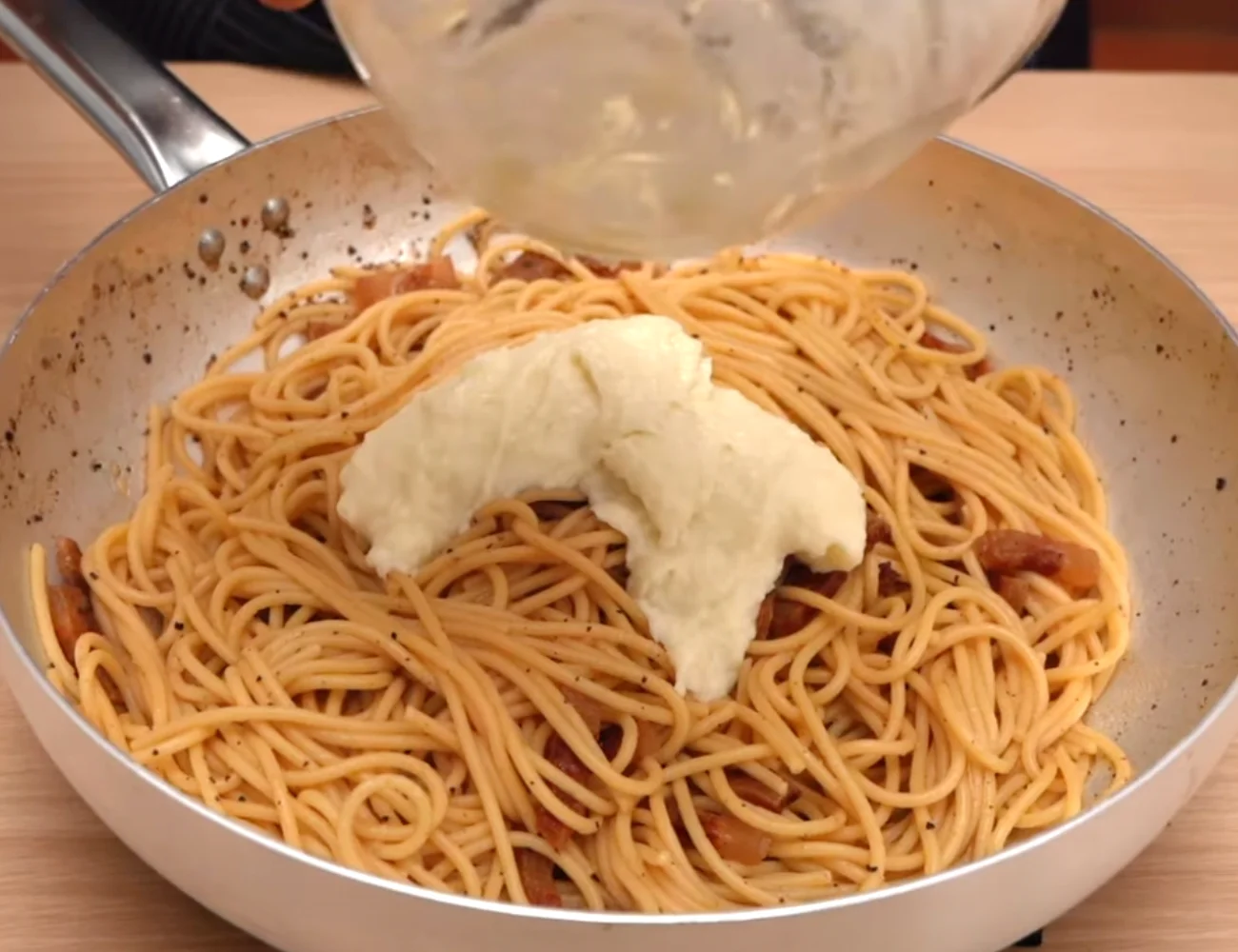
Slowly drizzle 1 ladle of hot pasta water into the finely grated pecorino, stirring continuously until it forms a smooth, creamy paste.
- 12
When the pasta is cooked, remove the skillet from the heat. Add the cheese paste and toss thoroughly with tongs.
- 13
Serve immediately.
FAQ
Reviews
Pin this recipe
Tap an image to save it to Pinterest.